A warning light on your dashboard is your vehicle communicating something important. Whether you drive a used Ford F-150, a pre-owned Chevy Silverado, a Toyota Camry or any other make or model, your instrument cluster is designed to alert you when something needs attention. This can range from reminders about routine maintenance to urgent signals that require immediate action.
At Morris Smith Ford of Larned, our service team services all makes and models at our Larned location. This guide covers the most common dashboard warning lights, what they typically indicate and when you should have your vehicle inspected by a professional. Always keep in mind that exact light designs and meanings can vary by manufacturer and model year so, when in doubt, your owner's manual and our service team are your best resources for confirmation and resolution.
Understanding Warning Light Priority Levels
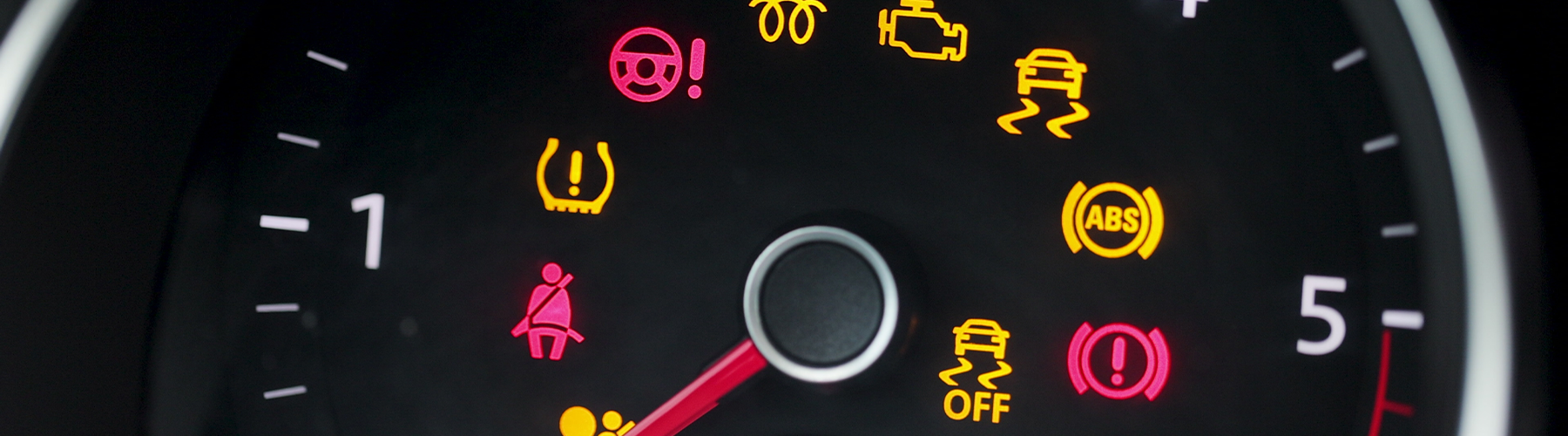
Most modern vehicles use a color-coding system to communicate urgency:
- Red lights -- Require immediate attention. Stop driving as soon as it is safe to do so if paired with unusual sounds, smells or vehicle behavior.
- Yellow or amber lights -- Indicate a system that needs attention soon. Your vehicle is generally still drivable, but you should schedule service promptly.
- Blue and green lights -- Informational. These typically indicate that a feature (such as high beams or turn signals) is active.
This guide focuses on the red and yellow/amber lights most drivers encounter. When any warning light appears and you are unsure of its meaning, the safest course is always to schedule a service appointment with a qualified technician.
Common Dashboard Warning Lights Explained
Check Engine Light
One of the most common -- and most misunderstood -- warning lights, the check engine light (often represented by an engine outline) can indicate anything from a loose gas cap to a misfiring engine or emissions system issue. Because its causes range widely in severity, it's best not to ignore it. If the light is steady, plan to have it diagnosed soon.
If it is flashing, reduce your speed and have it inspected as soon as possible. A flashing check engine light often indicates an active misfire that can damage your catalytic converter.
Battery/Charging System Warning
A battery icon or "BATT" light signals that your vehicle's charging system is not functioning properly. This could be a failing battery, a problem with the alternator or a loose or corroded connection. If this light comes on while driving, limit your use of electrical accessories and have the vehicle inspected promptly. A charging system failure can leave you stranded without warning.
Oil Pressure Warning
An oil can symbol -- especially one that is red -- is one of the most serious lights your vehicle can display. Low oil pressure means your engine is not being properly lubricated, which can cause rapid and severe damage. If this light appears, stop driving as soon as safely possible, turn off the engine and check your oil level. Do not continue driving until the issue has been diagnosed and resolved.
Engine Temperature Warning
A thermometer or coolant temperature light indicates that your engine is overheating. Pull over safely, turn off the engine and allow it to cool before checking the coolant level. Do not open the radiator cap on a hot engine. Continuing to drive an overheating vehicle can result in significant engine damage. Have the cooling system inspected before driving further.
Tire Pressure Monitoring System (TPMS)
A horseshoe-shaped symbol with an exclamation point indicates that one or more of your tires is significantly under-inflated. Most vehicles equipped with TPMS will trigger this light when a tire is 25% or more below the recommended pressure. Check your tire pressures (including the spare on some vehicles) and inflate to the levels specified on your door jamb sticker. Note that large temperature swings, which can be common in Kansas, may also cause temporary fluctuations in tire pressure.
Brake System Warning
A circle with an exclamation point or the letter "P" inside can indicate several things depending on context: your parking brake may be engaged, your brake fluid may be low, or there may be an issue with the brake system itself. If the parking brake is not engaged and the light remains on, have your brakes inspected immediately -- your stopping ability may be compromised.
Transmission Temperature Warning
A thermometer inside a gear symbol means your transmission fluid is running hotter than normal. This can occur during heavy towing, stop-and-go traffic or in extreme heat. If this light appears, reduce your load if possible and allow the transmission to cool. Ignoring transmission overheating can lead to costly repairs, so have the system checked if the light appears regularly or under normal driving conditions.
Traction Control / Stability Control Warning
A car with wavy lines beneath it may indicate that your traction control or electronic stability control system is actively working -- or, if it stays on, that the system has been turned off or has detected a fault. On slick Kansas roads, these systems play an important role in vehicle safety. If the light remains on without the system being deliberately disabled, schedule a diagnostic inspection.
ABS Warning Light
The ABS light indicates a problem with your anti-lock braking system. Your standard brakes will typically still function, but the ABS -- which helps prevent wheel lockup during hard braking -- may not engage as intended. This is especially relevant on gravel roads and in wet or icy conditions common to rural Kansas driving. Have this inspected at your earliest convenience.
When in Doubt, Get It Checked
Dashboard warning lights are designed to get your attention for a reason. Even lights that seem minor can indicate the early stages of a larger problem. Addressing issues early is almost always less costly than waiting until they become serious. The service team at Morris Smith Ford of Larned services all makes and models, whether you purchased your vehicle from us or not. Our Ford-certified technicians can diagnose warning lights, perform repairs and help keep your vehicle running reliably for the road ahead.
Read More: